
Meditations as humans transcends the conceptual limitations of self and community. It is an invitation for open-hearted connection, a reassuring alignment with our core values, and a journey into the unknown, uncertain future. A central premise of Meditations as humans is that it is possible to see society from many points of view, from many places in society, from many different perspectives.
DIFINITION OF MEDITATION
Meditation is a practice in which an individual uses a technique – such as mindfulness, or focusing the mind on a particular object, thought, or activity – to train attention and awareness, and achieve a mentally clear and emotionally calm and stable state. (Wikipedia)
UNDERSTANDING MEDITATION
Meditation has been practiced for thousands of years. Meditation originally was meant to help deepen understanding of the sacred and mystical forces of life. These days, meditation is commonly used for relaxation and stress reduction.
Meditations for Students is the perfect remedy to help you balance the pressures and responsibilities of your school life. By letting go of daily stressors, you will learn to clear your mind, focus on studying, improve memory and concentration, and actually increase your overall energy levels.
Mediations for Students is appropriate for students of all ages, including middle and high school students, university students and adults studying in the workplace.
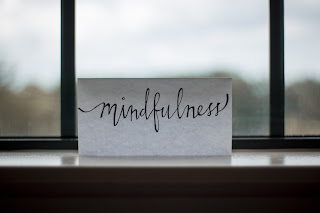
5 BENEFITS OF DAILY MEDITATIONS ACCORDING TO SCIENCE
1. Meditation promotes emotional health and well-being
Studies have shown that meditation improves self-image and self-worth. When we meditate, we get a clear picture of our mind and become aware of the thoughts that drive our emotions and actions at the moment.
A large-scale study found that regular meditation decreases the likelihood of developing depression and mood-related disorders. Besides some forms of meditative practices which also promoted positive thinking, as researchers stated, and could improve the overall emotional health of an individual.
2. Meditation increases attention by inducing a state of flow
Have you noticed how meditation absorbs you into the moment? Mindful awareness comes naturally to us when we meditate, and we reach ‘flow’ state where our mind is in complete harmony with itself. A study on the effects of an eight-week mindful meditation course found that people who are regular meditation practitioners had heightened attention and concentration span.
Even people who meditated for short durations showed more focus than individuals who did not meditate at all (Jha, Krompinger, & Baine, 2007).
3. Meditation and Pain
A study by the National Center for Complementary and Integrative Health (NCCIH) found that mindful meditation reduces pain sensations in the body without using the brain’s natural opiates (Cherkin et al., 2016).
The research suggested that combining meditation practices with medication for treating pain conditions like osteoarthritis, headaches, and other chronic pains can be useful for providing long-term remedies.
4. Meditation is a natural stress stabilizer
Stress is the body’s response to unforeseen adversities. Encountering immediate threats increase the level of cortisol, or stress hormone in the body, and activates the Autonomic Nervous system, which is responsible for fight-or-flight responses. Brain studies of regular meditators revealed that they have lower cortisol level in their brains, which explains their resilience and insightful nature.
Other benefits:
- Improved memory: Better focus through regular meditation may increase memory and mental clarity. These benefits can help fight age-related memory loss and dementia.
- Better sleep: Meditation can shorten the time it takes to fall asleep and improve sleep quality.
- Lower blood pressure: Blood pressure decreases during meditation and over time in people who meditate regularly. This can reduce strain on the heart and blood vessels and help prevent heart disease.
- Less pain: Meditation can reduce pain and boost emotion regulation. Together with medical care, this may help treat chronic pain.
Meditations as humans is a space to explore, practice, and share meditation. The benefits of meditation include peace of mind, relaxation, and focus. These are the things that each of us needs in order to be better humans.


Comments
Post a Comment